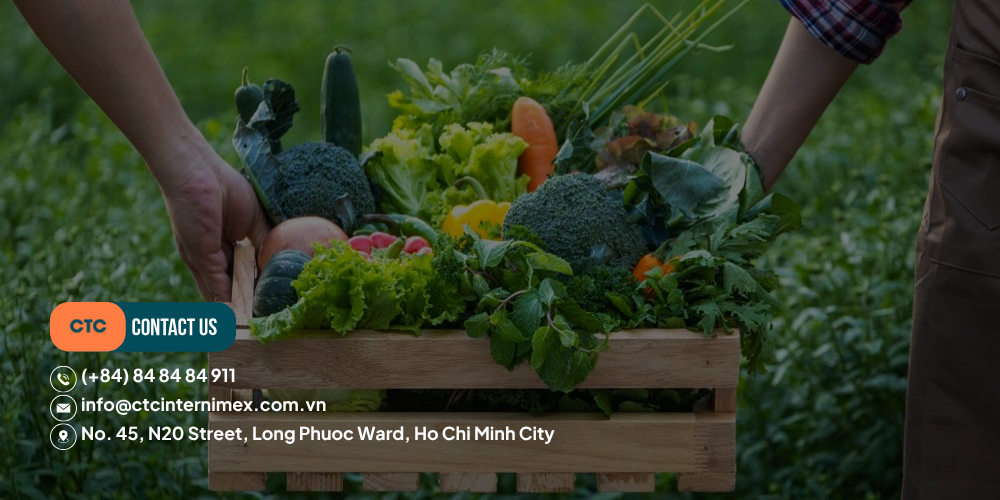

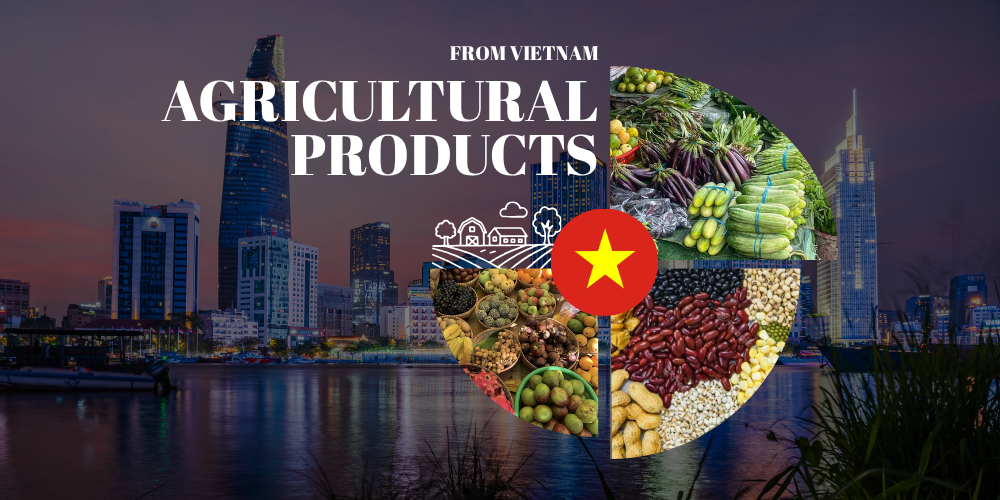
Vietnam has emerged as a global powerhouse in agriculture, ranking as a top exporter of coffee, black pepper, cashews, and rice. For international manufacturers and distributors, sourcing from Vietnam offers a strategic advantage in terms of cost, quality, and supply chain stability.
However, navigating the import process requires a clear understanding of local regulations and international standards. This guide outlines the essential steps to successfully import bulk agricultural goods from Vietnam.
How to Import Agricultural Products from Vietnam: A Complete Guide for Global B2B Buyers
1. Identify and Verify Your Vietnamese Supplier
The foundation of a successful partnership is a reliable supplier. When sourcing at a commercial scale, look for:
Certifications: Ensure the supplier holds international standards such as GlobalGAP, HACCP, ISO 22000, or Organic certifications (USDA/EU).
Export Track Record: Choose companies experienced in high-volume shipping to your specific region (EU, US, Japan, etc.).
Pro Tip: Vietnam’s “Golden List” of exporters is a great place to start, or you can work with local sourcing agents to audit factories personally.
2. Quality Control and Compliance
Agricultural products are sensitive. You must ensure the goods meet your country’s Phytosanitary requirements.
SGS/Vinacontrol Inspection: Most large-scale buyers mandate a third-party inspection before the goods leave the port to verify quantity, quality, and packaging.
Testing for Residues: Ensure the products comply with Maximum Residue Limits (MRLs) for pesticides according to your local market laws.
3. Essential Export Documents
To clear customs smoothly, your Vietnamese partner must provide a standard set of documents:
Commercial Invoice & Packing List.
Bill of Lading (B/L).
Phytosanitary Certificate: Issued by the Ministry of Agriculture and Rural Development of Vietnam.
Certificate of Origin (C/O): Crucial for claiming preferential tariffs under FTAs like EVFTA, CPTPP, or RCEP.
Certificate of Fumigation: Often required for wooden packaging or specific grains.
4. Logistics and Incoterms
For bulk orders, most Vietnamese exporters prefer FOB (Free on Board) or CIF (Cost, Insurance, and Freight).
Major Ports: Ho Chi Minh Port (Cat Lai), Hai Phong Port, and Da Nang Port are the primary hubs for agricultural exports.
Lead Times: Depending on the season and crop, lead times for bulk processing can range from 15 to 45 days.

Why Choose Vietnam for Your Supply Chain?
| Factor | Advantage |
| Price | Highly competitive labor and production costs. |
| Trade Agreements | Zero or low tariffs through numerous Free Trade Agreements (FTAs). |
| Diversity | From tropical fruits to high-grade spices and staples. |
| Infrastructure | Rapidly improving logistics and deep-water ports. |
Start Sourcing High-Quality Produce Today
Vietnam is no longer just a “low-cost” option; it is a “high-value” partner for global food security. If you are looking to scale your inventory with premium agricultural products, now is the time to tap into the Vietnamese market.
Are you ready to optimize your supply chain with Vietnamese excellence?