



For global procurement directors, snack manufacturing giants, and large-scale nut distributors, the success of a product line hinges on one core attribute: freshness. In the premium nut sector, nothing destroys consumer trust, brand reputation, and profit margins faster than cashew rancidity.
Cashew kernels are rich in healthy monounsaturated and polyunsaturated fats. While these lipids provide incredible nutritional value, they also make the product highly susceptible to oxidative and hydrolytic rancidity if mishandled. For international buyers looking to import Vietnamese cashew kernels in bulk, a single container arriving with a stale, paint-like odor and a bitter taste represents a catastrophic financial loss.
As the world’s leading exporter controlling over 75% of the market, Vietnam offers unmatched volume scalability. However, avoiding rancidity requires partnering with a technology-driven Vietnamese cashew nut factory that understands the precise biochemistry of lipid preservation.
That is why CTC Internimex utilizes advanced industrial food science to eliminate rancidity risks, guaranteeing an extended shelf-life for your bulk manufacturing and wholesale distribution networks.
1. The Science of Cashew Rancidity in Bulk Logistics
To solve rancidity, an exporter must first understand what triggers it during long-haul ocean transits (often lasting 30 to 45 days). Rancidity in bulk cashews occurs through two primary pathways:
Oxidative Rancidity: Triggered when the natural oils in white cashew kernels are exposed to oxygen, light, and elevated temperatures inside shipping containers. This breaks the fatty acid chains down into volatile aldehydes and ketones, causing the dreaded “stale oil” smell.
Hydrolytic Rancidity: Triggered when internal or ambient moisture interacts with the lipids, catalyzed by enzymes or microbial growth. This occurs when a supplier fails to dry the kernels properly before packaging.

2. The Devastating B2B Cost of Rancid Cargo
For industrial food processors (producing cashew milk, confectionery toppings, or nut butter) and wholesale distributors, receiving a rancid shipment leads to severe operational bottlenecks:
Production Line Shutdowns: Rancid raw materials alter the flavor profile of automated food formulas, forcing immediate stoppages.
Border Rejections: Shipments failing sensory analysis or violating strict European Food Safety Authority (EFSA) or FDA quality thresholds will be rejected at the customs border.
Eroded ROI: Sorting or re-processing damaged cargo at your destination facility destroys the cost-efficiency gained from competitive Vietnamese cashew export prices.
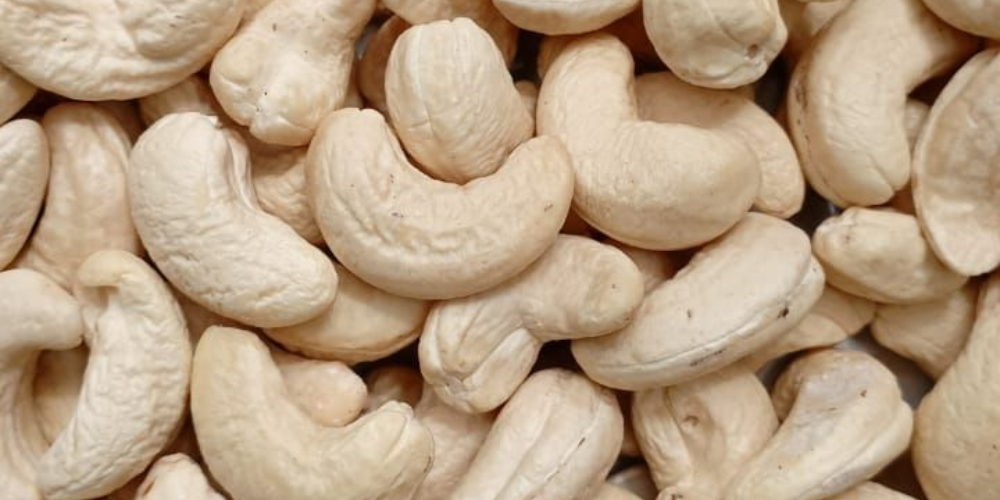
3. How CTC Internimex Guarantees Rancidity-Free Bulk Deliveries
At CTC Internimex, we treat shelf-life stability as a core engineering metric. We have structured our processing infrastructure to completely isolate our cashew kernels from the catalysts of rancidity.
Precision Moisture Stabilization (Under 5%)
Moisture is the primary enemy of lipid stability. CTC Internimex utilizes automated, multi-stage industrial drying tunnels to lock internal moisture levels strictly between 3% and 4.5%. By maintaining this optimal zone, we halt hydrolytic enzyme activity without making the kernels overly brittle, ensuring they arrive crisp and biochemically stable.
Advanced Multi-Layer Vacuum Packaging
To completely neutralize oxidative rancidity, we eliminate oxygen from the equation. Our standard B2B export packaging utilizes heavy-duty, multi-layer high-barrier vacuum bags (22.68kg / 50lbs or 11.34kg / 25lbs) flushed with food-grade inert gas (Nitrogen). This creates an airtight, zero-oxygen environment that protects the kernels from ambient humidity and temperature fluctuations during equatorial ocean transits. For mega-industrial buyers, we offer custom-engineered Jumbo bulk bags featuring the same high-barrier gas-flushing technology.
Climate-Controlled Chilled Storage & Precise Logistics
Before container loading, all processed inventory at CTC Internimex is held in a specialized chilled storage system, strictly maintaining an ideal temperature range of 10°C to 15°C and relative humidity below 60%. Utilizing chilled warehouses dramatically slows down the self-oxidation of cashew lipids and completely prevents insect infestations. We also actively monitor weather patterns to advise on refrigerated container (Reefer container) options for transit routes passing through extreme tropical climates, ensuring the W320 cashew nuts wholesale you receive maintain a perfect factory-fresh crunch.
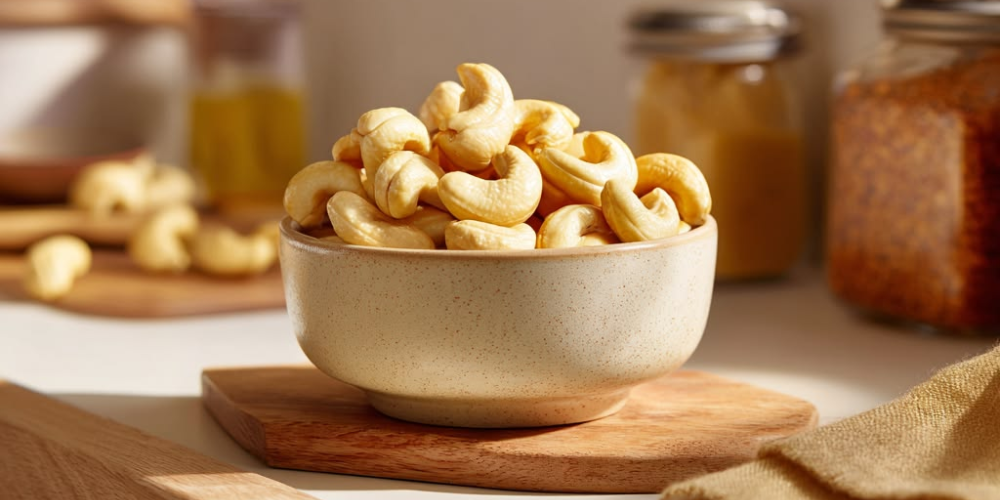
4. Total Compliance and Third-Party Transparency
We back our technology with rigorous, uncompromised transparency. Every batch processed at the CTC Internimex plant undergoes continuous laboratory screening. Our facilities operate under strict global food safety frameworks, including ISO 22000, HACCP, and BRCGS compliances.
To provide absolute contractual security for our global partners, we welcome independent pre-shipment inspections (SGS, Bureau Veritas, or Intertek) to verify moisture content, peroxide values, and free fatty acid (FFA) levels before the containers are sealed.
Conclusion: Scale Securely with Vietnam’s Premier Cashew Exporter
In the competitive global food trade, product consistency is your ultimate asset. A low initial quote means nothing if the cargo spoils in transit.
By bypassing unverified trading brokers and partnering directly with CTC Internimex, you secure a resilient, industrialized supply chain. We deliver massive volume scalability, competitive factory-direct pricing, and advanced rancidity-prevention technology to ensure your distribution networks operate securely, predictably, and profitably.
🏢 Ready to future-proof your bulk cashew procurement with zero rancidity risks? Contact the B2B Commercial Export Division at CTC Internimex today. Request our detailed product specification sheets, technical packaging blueprints, and get the latest FOB/CIF price quotes.
Learn more here: Vietnam Cashew Export: Premium Quality & Massive Supply Capacity for B2B Partners