



For industrial flavor houses, cosmetic manufacturers, and global distributors, the quality of a lime isn’t just about its juice—it’s about the potency of its essential oils. Vietnam has emerged as a powerhouse in the citrus export market, with its limes (particularly the Seedless Lime – Citrus latifolia) consistently yielding higher oil concentrations than those from other major growing regions.
But what makes Vietnamese limes scientifically superior? The secret lies in the unique terroir of the Mekong Delta and Central Highlands.
The Mekong Delta: A “Goldmine” of Alluvial Soil
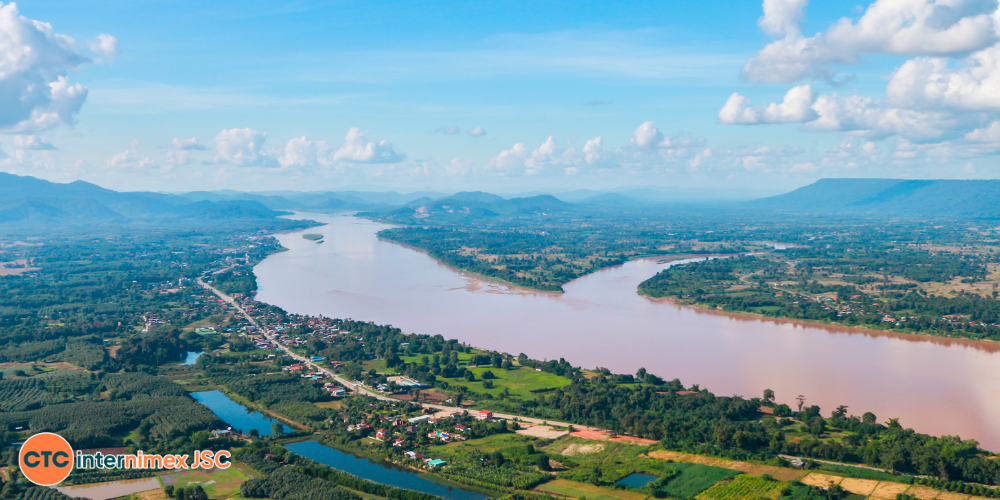
The majority of Vietnam’s export-quality limes are grown in provinces like Long An and Ben Tre. Unlike the sandy soils of Brazil or the rocky terrain of parts of Mexico, the Mekong Delta offers Fluvisols (Alluvial soil).
- Nutrient Density: This soil is naturally enriched by annual sediment deposits from the Mekong River. High levels of phosphorus and potassium are critical for the biosynthesis of hydrocarbons like Limonene and Gamma-Terpinene.
- Water Retention & Drainage: The fine texture of alluvial soil maintains a consistent root hydration level, preventing the “moisture stress” that can lead to bitter, low-quality oil profiles found in drier climates.
Tropical Microclimates and UV Intensity
Essential oils are essentially a defense mechanism for citrus fruits. Vietnam’s specific latitude provides a unique climate profile:
- High Humidity (80-85%): Maintains the elasticity of the oil glands (flavedo), allowing them to store more oil without rupturing prematurely.
- Optimal Heat Summation: Limes in Vietnam benefit from a stable temperature range ($25°C$ to $32°C$). This steady heat accelerates the enzymatic pathways that produce Citral, the compound responsible for that intense “zingy” aroma that international buyers crave.
The Comparison: Why Source from Vietnam?
When analyzing the Cold-Pressed Essential Oil (CPEO) yield, Vietnamese limes consistently outperform competitors in key metrics for B2B buyers:
Feature | Vietnamese Limes | Competitors (S. America/Africa) |
Limonene Content | 65% – 75% | 55% – 65% |
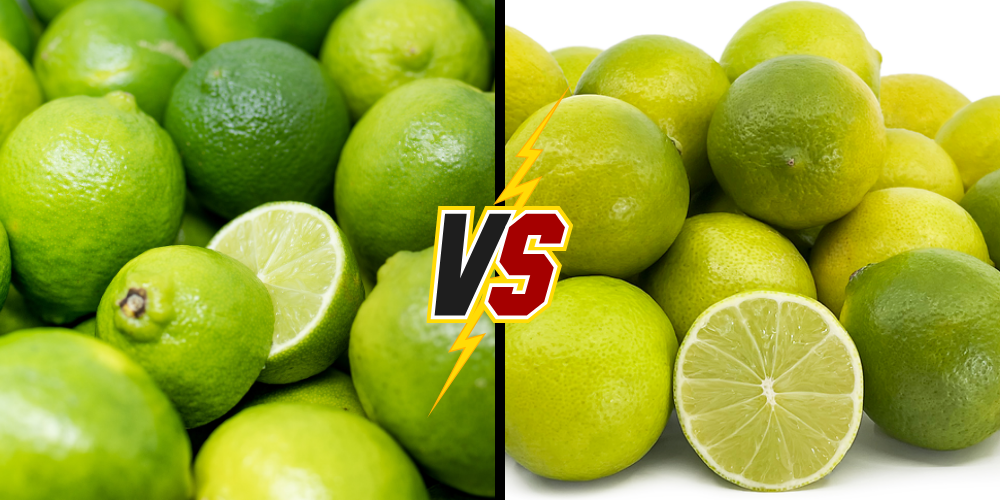
Oil Gland Density | High (Visible, prominent pores) | Medium |
Aroma Profile | Sharp, fresh, long-lasting | Mild, fades quickly |
Peel Thickness | Thin but firm (High oil-to-peel ratio) | Variable |
Sustainable Farming & Phytosanitary Standards
Commercial buyers need more than just quality; they need compliance. Vietnam’s lime industry has modernized rapidly:
- GlobalGAP & VietGAP Certified: Ensuring minimal pesticide residues for EU and US markets.
- Traceability: Modern plantations provide full transparency from farm to container.
- Year-round Supply: Thanks to the tropical climate, Vietnam can supply fresh limes 12 months a year, eliminating the seasonal gaps seen in other regions.
Strategic Advantage for Industrial Importers
For factories producing essential oils, beverages, or cleaning agents, the higher oil content in Vietnamese limes means:
- Higher Extraction Efficiency: More oil per metric ton of raw fruit.
- Reduced Logistics Costs: You are shipping more “active flavor” and less “bulk waste.”
- Superior End-Products: Your juices and fragrances will have a more robust, natural scent profile.
Partner with Vietnam’s Leading Lime Suppliers
If you are looking for a reliable, high-volume partner to supply premium limes with superior oil content, Vietnam is your strategic destination. Our limes don’t just meet international standards—they set them.
Contact us today for laboratory reports on oil content and bulk pricing for the upcoming season.
Learn more here: Premium Seedless Lime Exporter to Dubai