



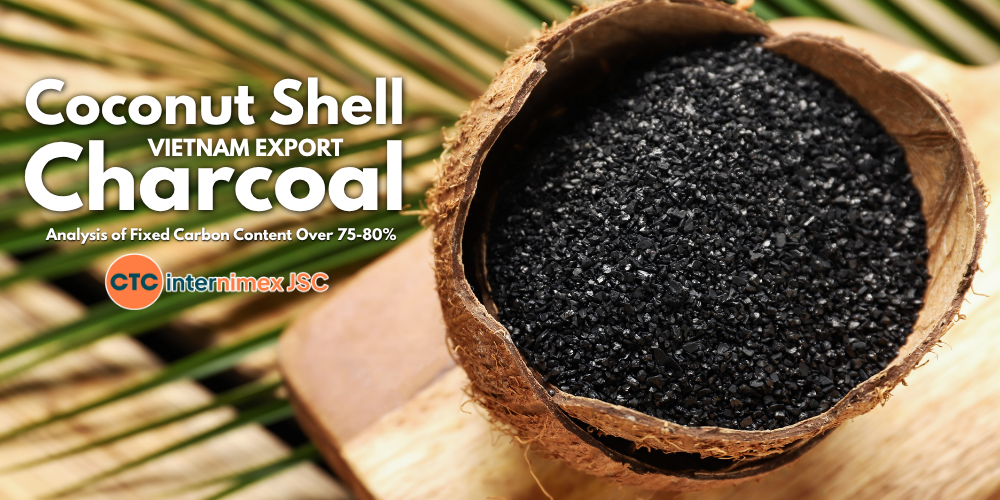
In the global clean energy and chemical filtration industries, Vietnam coconut shell charcoal has long established its position as a premium-grade material. For large-scale manufacturers and commercial distributors, the most critical metric for evaluating economic value and performance is the Fixed Carbon (FC) content.
This analysis explores why a Fixed Carbon level of 75-80% is the “golden ratio” that allows Vietnamese coconut charcoal to dominate international markets.
1. What is Fixed Carbon (FC)?
Fixed Carbon is the solid combustible residue that remains after volatile matter is driven off during the carbonization process. It is the primary component that generates heat and determines the durability of the charcoal during combustion or activation.
Key Distinction: Fixed Carbon is not the same as total carbon. A higher Fixed Carbon percentage indicates fewer impurities and significantly higher utility value for industrial applications.

2. Why 75-80% Fixed Carbon is the Gold Standard for Manufacturing
For industrial manufacturers and bulk buyers, selecting charcoal with Fixed Carbon content above 75% delivers direct economic advantages:
Ultra-High Calorific Value
Charcoal with Fixed Carbon between 75-80% provides a stable and intense heat output, typically ranging from 7,000 to 7,500 kcal/kg. This drastically reduces fuel input costs for industrial boilers and furnaces.
Low Ash Content
Fixed Carbon is inversely proportional to ash content. High-quality Vietnamese coconut charcoal maintains an extremely low ash rate (under 3-5%).
The Benefit: Lower waste disposal costs, reduced maintenance for burners, and extended lifespan of filtration equipment.
Optimized Activation Potential
For producers of Activated Carbon, an FC level of >75% is a prerequisite. It ensures a robust molecular structure capable of developing a dense micropore system, resulting in higher Iodine numbers and superior adsorption capacity.
3. Competitive Advantage: Vietnam Coconut Charcoal vs. Competitors
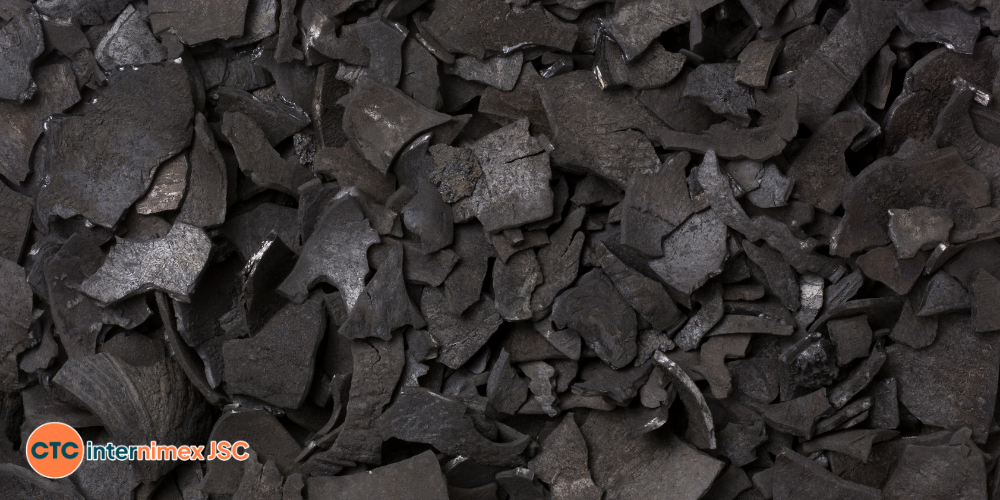
Vietnam, particularly the Ben Tre region, possesses a source of mature, hard coconut shells with a resilient molecular structure.
| Technical Specifications | Vietnam Coconut Charcoal (Grade A) | Wood/Peat Charcoal |
| Fixed Carbon | 75% – 80% | 45% – 60% |
| Moisture | < 20% | 15% – 20% |
| Ash Content | < 3% | 10% – 15% |
| Burning Time | 3 – 4 hours | 1 – 1.5 hours |
4. Solutions for Large-Scale Manufacturers and Distributors
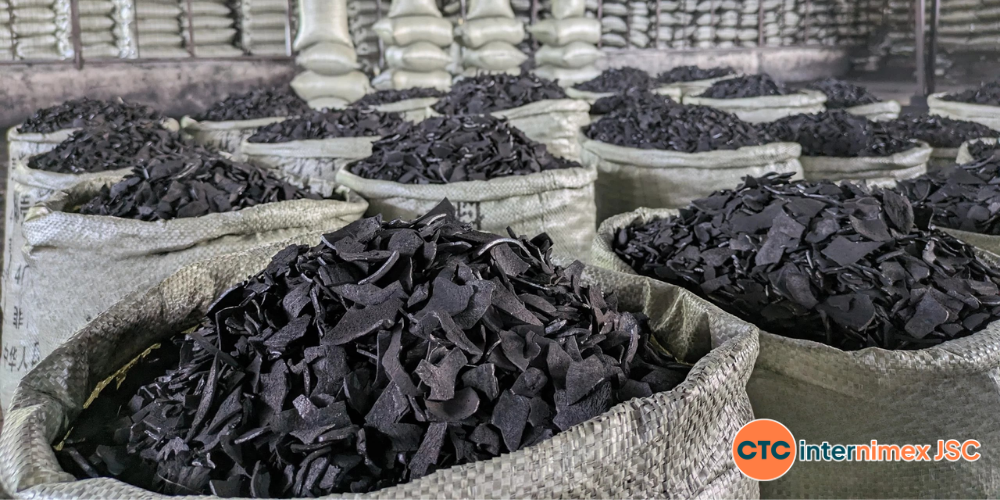
We understand that for FCL (Full Container Load) orders, quality consistency is vital. Our coconut shell charcoal is strictly controlled through every stage:
Raw Material Selection: Only mature shells from certified sustainable regions are used.
Closed-Retort Technology: Our advanced carbonization process ensures complete conversion, pushing Fixed Carbon to its maximum potential.
Independent Testing: We provide comprehensive analysis reports from reputable agencies (SGS, Quatest) for every shipment.
5. Conclusion
A Fixed Carbon content of 75-80% is more than just a number; it is a guarantee of efficiency and profitability for your business. If you are looking for a stable, high-volume supply of coconut shell charcoal that meets the strictest export standards, Vietnam is your premier destination.

Contact our expert team today for factory-direct quotes and detailed laboratory analysis samples!
Learn more here: Coconut Shell Charcoal: The Ultimate Green Alternative to Industrial Coal